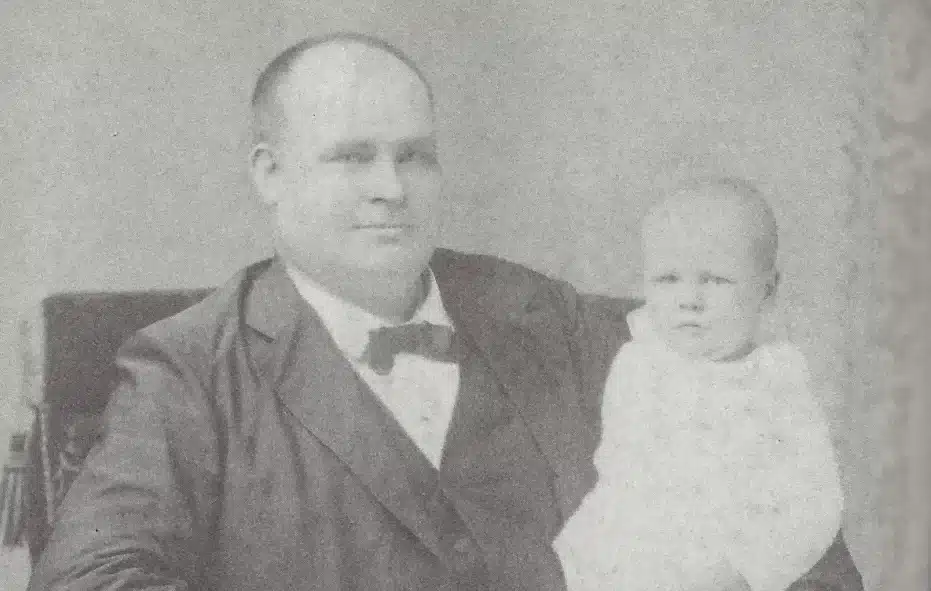
Jim Hogg (1851–1906), the 20th Governor of Texas, rose to power amid growing public anger over corporate monopolies—especially the railroads, whose high freight rates and vast land holdings placed heavy burdens on farmers and settlers across the state. From 1891 to 1895, he used the tools of state government to challenge these so-called railroad barons, laying the groundwork for modern regulation with the creation of the Texas Railroad Commission.
Born in Cherokee County, Hogg was the first native-born governor of Texas (all others had immigrated from other states). He came from modest means and worked in newspapers before studying law and being admitted to the bar. He served as justice of the peace and county attorney before rising to statewide prominence as Texas Attorney General from 1887 to 1891. In that role, he gained public attention by launching legal battles against corporate trusts and defending the rights of consumers and landowners. His prosecution of the East Line and Red River Railroad Company helped establish his reputation as a determined and capable opponent of corporate abuse.
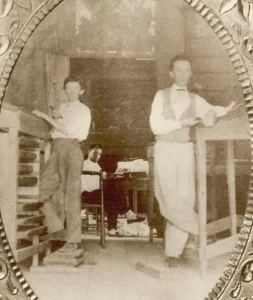
Hogg was elected governor in 1890, defeating incumbent Governor Lawrence Sullivan “Sul” Ross in a political climate increasingly influenced by agrarian discontent, labor unrest, and the growth of the populist movement. He ran as a reformer determined to curb the power of out-of-state corporations, especially railroads and insurance companies, and to assert state authority in economic matters. His rhetoric emphasized the rights of “plain people” and the need for democratic control over major industries.
Hogg’s political base drew heavily from rural voters, especially small-scale farmers and tenant laborers disillusioned with the perceived favoritism of earlier administrations toward railroads and banks. His campaign emphasized moral leadership and localism, contrasting with the business-oriented image of his predecessor, Sul Ross.
During his two terms as governor (1891–1895), Hogg championed legislation to establish the Texas Railroad Commission (1891), an agency tasked with regulating freight rates, rail construction, and corporate practices. Although initially limited in power, the Commission would later become a major force in regulating not only railroads but also the Texas oil industry. Hogg appointed his political ally John H. Reagan as the Commission’s first chairman.
In addition to railroad oversight, Hogg supported reforms to insurance regulation, land title law, and antitrust enforcement. His administration fought to prevent the speculative purchase of land by absentee corporations and backed laws to limit the power of trusts operating within Texas. These efforts earned him praise from farmers, laborers, and small business owners, but drew criticism from conservative Democrats and business interests who viewed his policies as disruptive or overly punitive.
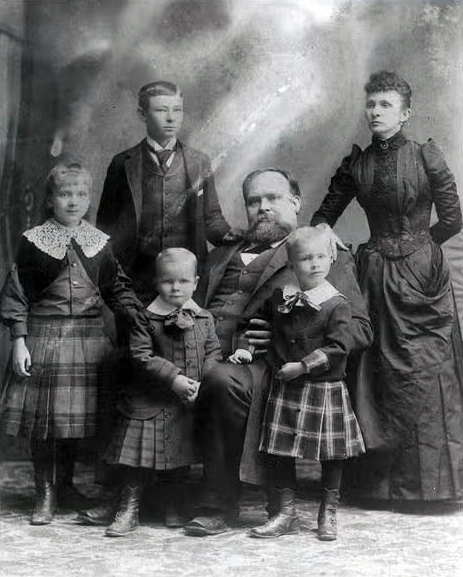
Hogg’s political philosophy drew on Jacksonian and Jeffersonian ideals, emphasizing decentralized power, distrust of corporate monopolies, and legal protections for small landowners and everyday citizens over elite or out-of-state interests. He distrusted centralized capital and believed state government had a duty to act as a check on private power. His speeches often emphasized moral accountability in public life and drew on populist language, though he remained within the mainstream Democratic Party and resisted the formation of a third-party populist movement in Texas.
While Hogg advanced economic reforms for small landowners and working-class Texans, his agenda did not extend to racial equality. In fact, the legislature began instituting early Jim Crow statutes soon after Hogg took office, passing the Separate Coaches Act in 1891, which was the first segregation law in Texas, apart from the short-lived ‘Black Codes’ passed at the start of the Reconstruction Era. Hogg neither vetoed nor signed this bill (acts of the legislature in Texas become law without the governor’s signature, unless vetoed), though he expressed support for it as the best way “to prevent threatened race troubles.”
On the other hand, Governor Hogg was horrified by a rising trend of lynchings, especially in East Texas. He pressured the legislature to pass an anti-lynching law in 1897, resulting in a decline in lynchings for a few years after the creation of the law.1
Hogg was easily reelected in 1892, but his second term was marked by heightened political tensions. He continued his push for corporate reform but faced growing resistance from entrenched economic interests and some urban newspapers. He also came under fire for opposing the leasing of convicts to private companies, a controversial practice tied to corruption and abuse. Hogg ultimately persuaded the legislature to phase out the convict lease system, marking a notable shift in Texas penal policy.
After leaving office in 1895, Hogg returned to private life and practiced law. He remained a respected voice in Democratic politics and was considered for the U.S. Senate and other federal appointments, though he never again held elected office. In his later years, he made investments in oil and land speculation, and his estate would benefit from the early oil discoveries in Texas.
Hogg’s legacy is closely tied to the expansion of the regulatory state in Texas. Though he did not always achieve his full legislative agenda, his governorship marked a major shift in the state’s attitude toward corporate oversight and public accountability. The Texas Railroad Commission, in particular, became one of the most powerful agencies of its kind in the nation and influenced regulatory models well into the 20th century.
He died in 1906 at the age of 55. His will famously requested that no monument be erected in his honor unless it benefited the people—proposing instead that a stand of trees be planted for shade and beauty. His son, Will Hogg, became a prominent philanthropist and civic reformer in Houston. His daughter, Ima Hogg, also gained wide recognition for her cultural and charitable work, particularly in mental health advocacy and the arts.
Today, James S. Hogg is remembered as a pivotal figure in the evolution of Texas government from frontier-style governance toward a more modern, interventionist state. His efforts to rein in corporate power, protect landowners, and institutionalize regulatory authority laid the groundwork for many of the state’s 20th-century reforms.
- Martin Herman Kuhlman, The Civil Rights Movement in Texas: Desegregation of Public Accommodations, 1950–1964 (PhD diss., Texas Tech University, 1994), 21. ↩︎