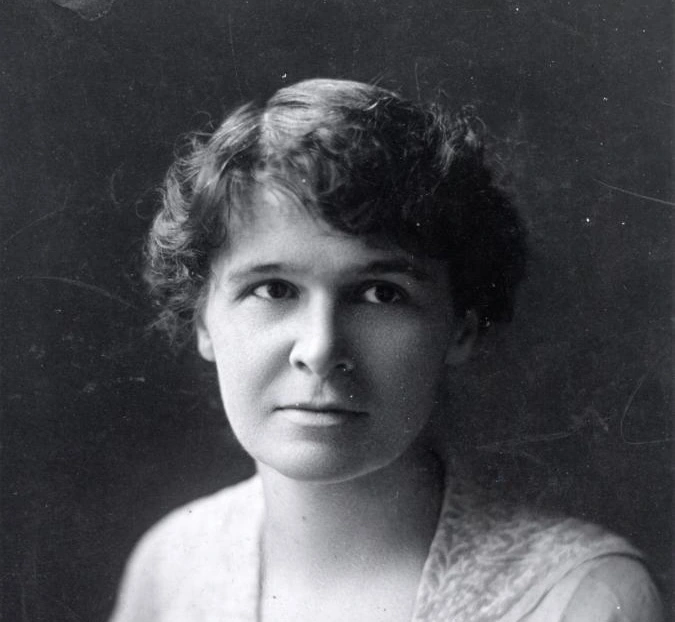
Jane Legette Yelvington McCallum (December 30, 1877–August 14, 1957) was a leading Texas suffragist, a strategist of the post-1919 reform coalition nicknamed the “Petticoat Lobby,” and, from 1927 to 1933, the state’s longest-serving secretary of state. Her career bridged the movement for women’s voting rights and the first generation of female policy advocates in Texas government.
Early Life and Education
McCallum was born near La Vernia in Wilson County to James and Mary Yelvington. She attended local schools and briefly studied at Dr. Zealey’s Female College in Mississippi before taking courses intermittently at the University of Texas. Like many educated Texas women of her time, she mixed study with family life rather than completing a formal degree.
In 1899 she married Arthur N. McCallum, a young educator who later became superintendent of Austin’s schools; the couple settled permanently in Austin in 1903 and raised five children. Household responsibilities and civic ambitions often collided, but she remained active in neighborhood clubs and school activities, laying the groundwork for a public life rooted in organized women’s networks.
Suffrage Organizing and Public Voice
McCallum’s political activities increased after her children became more independent in their teenage years. By 1915 McCallum had become president of the Austin Woman Suffrage Association and one of the Texas movement’s most visible publicists. She wrote regular columns for newspapers, gave speeches across Central Texas, and learned the rhythms of the state legislature—committee schedules, press deadlines, and coalition building—skills unusual for clubwomen of the day.
As press and publicity chair for the Texas Equal Suffrage Association she professionalized the campaign’s messaging, producing concise bulletins for club newsletters and persuasive articles for daily papers. She helped coordinate the 1918 campaign that secured a state law allowing women to vote in primary elections, a crucial test run for full enfranchisement. The following year she chaired the Ratification Committee when the legislature considered the Nineteenth Amendment. Texas became the first Southern state to ratify, on June 28, 1919—a victory shaped by behind-the-scenes media strategy as much as public rallies.
McCallum’s correspondence from this period shows her balancing moral appeals with practical politics: flattering hesitant lawmakers, rebutting anti-suffrage arguments in print, and urging clubwomen to show up in Austin during key debates.
From Votes to Laws: The “Petticoat Lobby”
After the vote was won, McCallum and other activists faced the question of what women’s political power could achieve. She helped found the Women’s Joint Legislative Council, quickly dubbed the “Petticoat Lobby.” The coalition united groups such as the Texas Federation of Women’s Clubs, Parent-Teacher Associations, and professional women’s organizations around a pragmatic reform slate: prison and juvenile justice reform, stricter child labor laws, better maternal and infant health programs, rural school support, and funding for a state board to oversee public charities.
McCallum served as the council’s executive secretary. She summarized bills for busy volunteers, lined up committee testimony, and maintained cordial but persistent contact with legislators. The council’s methods—carefully researched talking points, coordinated district pressure, and disciplined public communications—anticipated later professional lobbying.
Secretary of State (1927–1933)
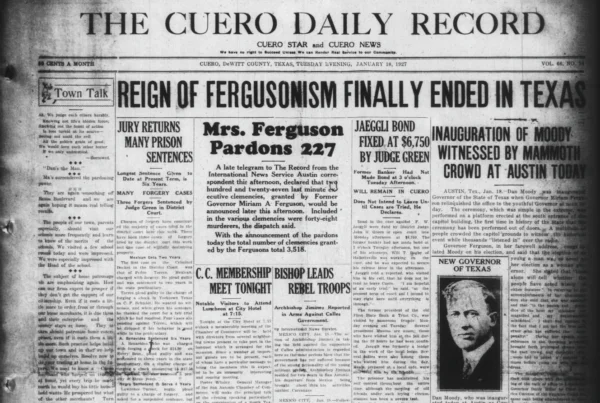
Governor Dan Moody appointed McCallum secretary of state in January 1927, rewarding her for political organizing in his anti-corruption campaign against Governor Miriam “Ma” Ferguson. She was reappointed by Ross Sterling in 1931, an unusual show of cross-administration trust that made her the longest-serving secretary of state to that time.
The office then managed a broad portfolio: authenticating official documents, overseeing state elections, licensing notaries, registering corporations and trademarks, and acting as custodian of the state’s archives. McCallum professionalized staff routines, insisted on prompt public bulletins to county clerks, and used clear, non-technical prose in circulars—continuing habits formed as a suffrage publicist.
A notable moment came early in her tenure when she rediscovered the original 1836 Texas Declaration of Independence in a neglected Capitol vault. She ordered its conservation and arranged public exhibition, turning an administrative find into a civic symbol. She also standardized the state seal’s reproduction on official papers and worked to make historical records more accessible to journalists and teachers.
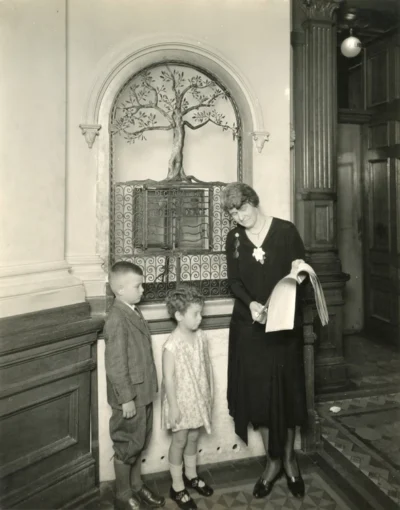
During contentious Prohibition enforcement and Depression-era political battles, her office had to referee disputes over ballot procedures and certify new political parties. McCallum’s meticulous record-keeping and timely rulings won respect from newspapers and county officials even when they disagreed with the governors she served.
Writings and Public Image
McCallum remained a writer throughout her public life. She published political commentaries and homemaking columns, blending appeals to female readers’ daily concerns with policy advocacy. Her private diaries—later edited as A Texas Suffragist: Diaries and Writings of Jane Y. McCallum—offer an unvarnished look at reform work: excitement at legislative victories, anger at obstruction tactics, and the exhaustion of balancing motherhood with politics. They also preserve the informal networks of early Texas feminists, naming allies, adversaries, and sympathetic editors.
Her skill with language helped translate club energy into legislative action and later helped her run a technically demanding state office in a transparent, citizen-facing way. Contemporary press coverage often highlighted her unusual mix of administrative competence and approachable public persona.
Later Years
After stepping down in 1933, McCallum stayed active in Austin civic life, championing historical preservation and Democratic Party causes. When Texas finally allowed women to serve on juries in 1954, she was chosen as the first female commissioner of a Travis County grand jury—an honor that underscored her long campaign for women’s full civic participation. She died in Austin on August 14, 1957, and is buried in Oakwood Cemetery.