Good citizenship is not chiefly a matter of having the ‘right’ ideology or political affiliation. Rather, it is a matter of duty — of having both the willingness and the ability to answer when called. A grounding in basic civics and history prepares us for this sacred responsibility.










What We Do
Texapedia is an encyclopedia of civics, law, and history. Rigorously researched, edited, and maintained, it’s a labor of love for the state we call home. Texapedia is a free resource for teachers, students, and the general public. Texapedia publishes articles about:














Mission Statement
The purpose of Texapedia is to enhance the civic knowledge of students, teachers, and the general public. We envision an informed, active citizenry equipped to reform what is lacking in their government while conserving what is good about it.

Why History Matters
Our Approach to the Study of History
The basic nature of humanity is unchanging through the ages. Politics changes, technology, the economy, the environment, culture—all change. Yet humankind tends to repeat the same follies and to forget hard-learned lessons, age after age. For this reason, the ancient book of wisdom known as Ecclesiastes observed, “What has been is what will be, and what has been done is what will be done, and there is nothing new under the sun… There is no remembrance of former things, nor will there be any remembrance of later things yet to be among those who come after” (Eccl. 1:9-11, ESV).
The study of history reminds us of the pitfalls, challenges, and triumphs of our forebears. It is not always a happy story (“All things are full of weariness,” Eccl. 1:8), but it is a worthy pursuit for those seeking wisdom. History gives us not only knowledge of the past but also understanding of the present age: how it came to be, the forces that shaped it, and insights into the nature of humanity itself.
As you explore Texas history, we invite you to imagine living in another age. Try to picture what life was like for different people—leaders and common folks alike. This is how history becomes more than a ledger of events; its retelling invites us to reflect, imagine, and grow.
There is no single “correct” way to read or write history. Yet beware of idealized versions of the past—simplistic, black-and-white narratives with distinct ‘good guys’ and ‘bad guys,’ often crafted for political ends. Such histories are easy to grasp and may feel morally compelling. But wisdom doesn’t necessarily come from reading history in a simple, idealized way. Instead, try grappling with nuance, search out details, ask probing questions, and consider perspectives that may not align with your own.
History need not be boring. At its best, it is a discipline that sharpens the mind, cultivates empathy, and helps us know ourselves more deeply.
Research and Sourcing
Texapedia articles are grounded in primary sources, including Texas statutes, the state constitution, public records, and official government data. Many entries include original research based on public records requests and historical documents. Where appropriate, articles include formal citations—especially when referencing laws, budgets, and historical sources. Our aim is to strike a balance between rigorous sourcing and readability for a general audience.
Unlike Wikipedia, Texapedia is not publicly editable. All content is researched and written in-house. This allows us to ensure accuracy, preserve editorial integrity, and maintain higher reliability and timeliness than many crowd-sourced platforms. That said, Texapedia is a living project. Some entries may become outdated over time, or inadvertently include mistakes. If you notice an error, we welcome your feedback.

Management & Ownership
Texapedia is independently owned and operated. Based in Central Texas, the founder and principal author is an amateur historian and proud Texan who prefers to write anonymously or under a pen name while the project is still in its early stages. This choice reflects a belief that Texapedia should be judged by the quality of its content rather than paper credentials, gender, race, or personal affiliations. Anonymous and pseudonymous publishing has a long tradition in American civic life—from Benjamin Franklin’s ‘Silence Dogood’ letters to the Federalist Papers.
What began as a personal passion project has grown into a broader effort to document, explain, and celebrate the complexities of Texas — its past, its politics, and its people. Though privately run as a small business, with limited monetization through ads to support long-term sustainability, Texapedia embraces a public service mission. This structure guarantees editorial independence, operational flexibility, and the ability to pursue depth, nuance, and clarity without external pressures or institutional constraints.
Over time, Texapedia may expand or evolve in structure, but the core commitment to quality and independence will remain. Get in touch if you have comments, questions, corrections, or ideas for how to help: contact@texapedia.info.

Toward Civic Renewal
Reflections on Citizenship in an Age of Distraction
Click to learn more about our guiding philosophy.
Life is more than politics. It embraces faith, family, work, education, and leisure — all the spheres where we live out our humanity. Yet civic life touches each of us in ways we cannot escape. While not everyone is called to follow politics closely or master the intricacies of government, each of us is expected to fulfill certain duties as citizens, shaping the communities we inhabit and the state and nation as a whole.
These duties include compliance with criminal laws, driving safely in traffic, paying taxes (however grudgingly), and cooperating with police and other civil authorities during public safety events and natural disasters. Other weighty civic duties include jury service, military service, voting, and serving as a poll worker. Lighter forms of civic engagement matter too, like serving on a neighborhood committee or donating to a charity or community fundraiser.
As a society, we’re all better off if there’s a shared sense of responsibility and boundaries. Of course, there will always be bad actors and violators; that’s human nature, and it’s why societies create safeguards like law enforcement.
But much of human behavior is driven by social expectation, not by compulsion. These expectations can be taught and cultivated. With that in mind, we should ask ourselves what kind of social values we ought to cultivate in government, communities, and public life in general.
The renewal of civic life is not the work of government or leaders alone, but the shared work of all citizens — a task that begins with cultivating habits of responsibility, participation, and care for the common good. That’s the purpose of Texapedia; it’s intended to be more than just an encyclopedia or database—it’s intended to serve as a catalyst for much needed civic renewal.
We hope that Texapedia serves as a resource to guide you toward a more robust sense of civic pride and responsibility. Simple acts like picking up litter in your community, following traffic laws, and at least occasionally voting—these are all critically important for the common welfare, what the English forebears of our republic called the ‘commonweal.’
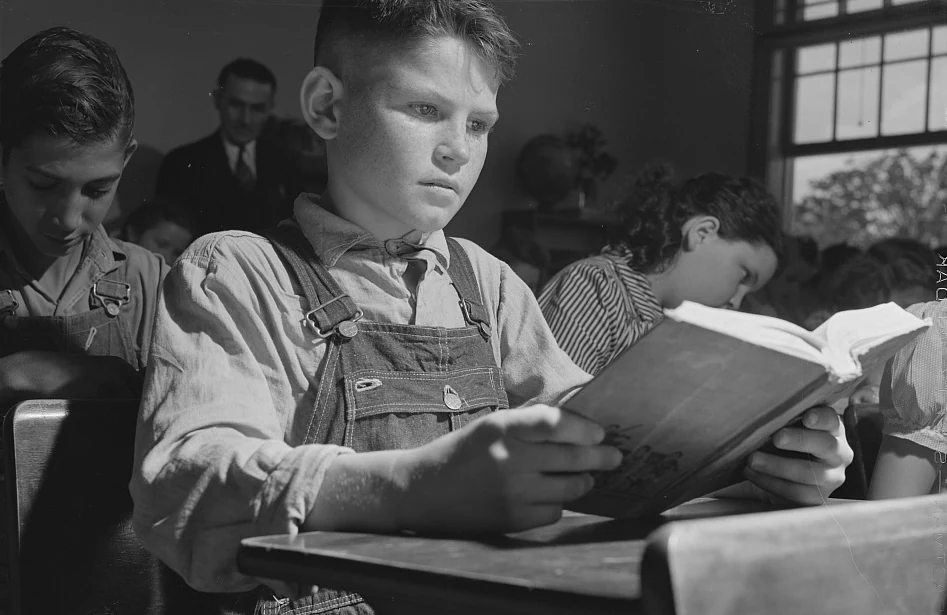
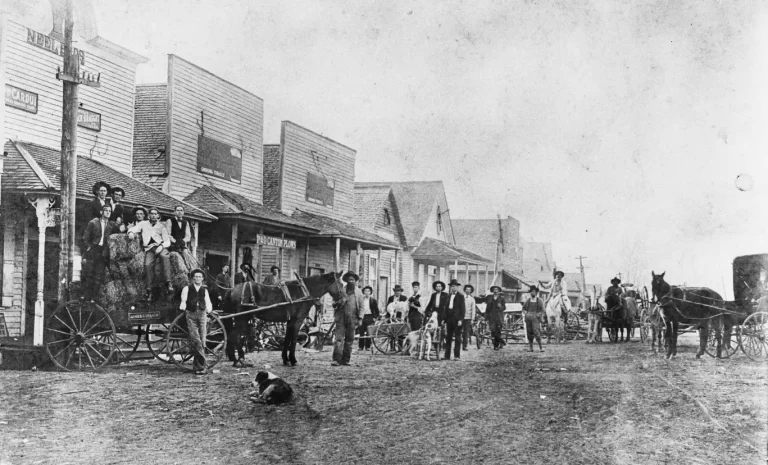
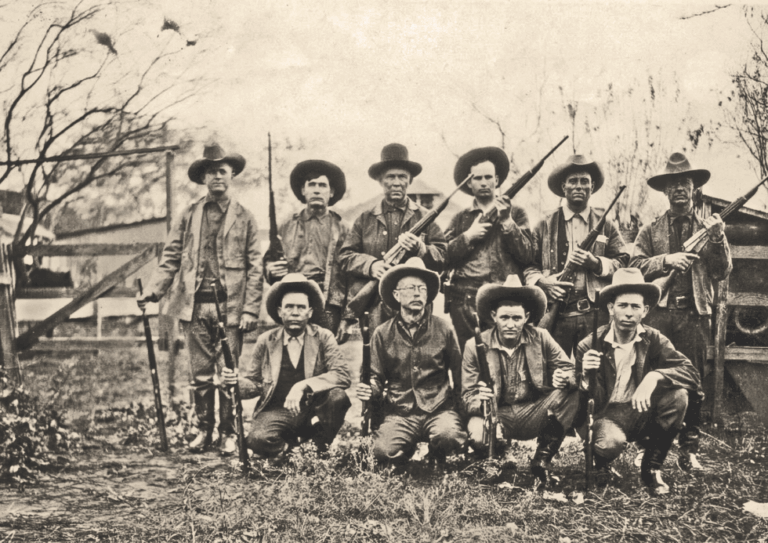
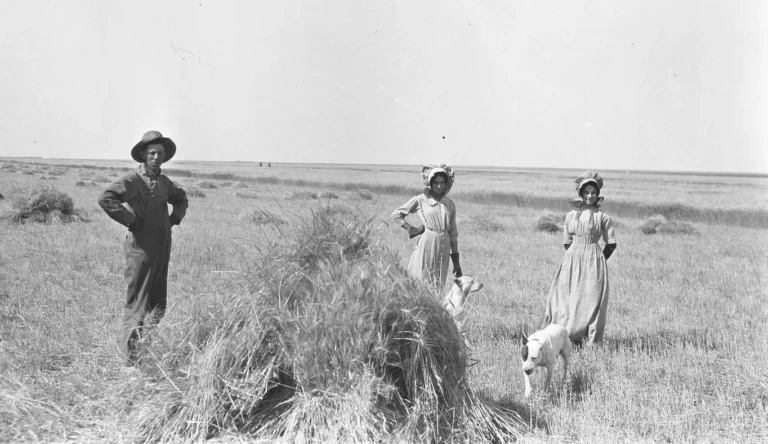
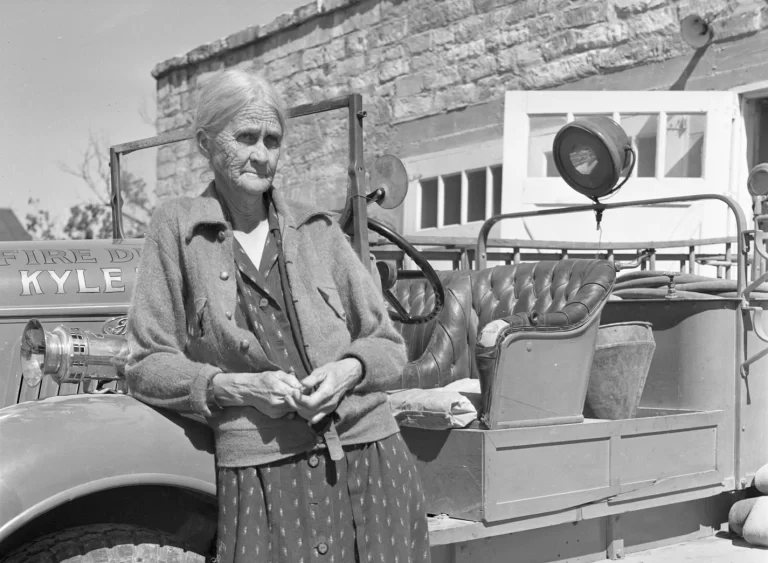
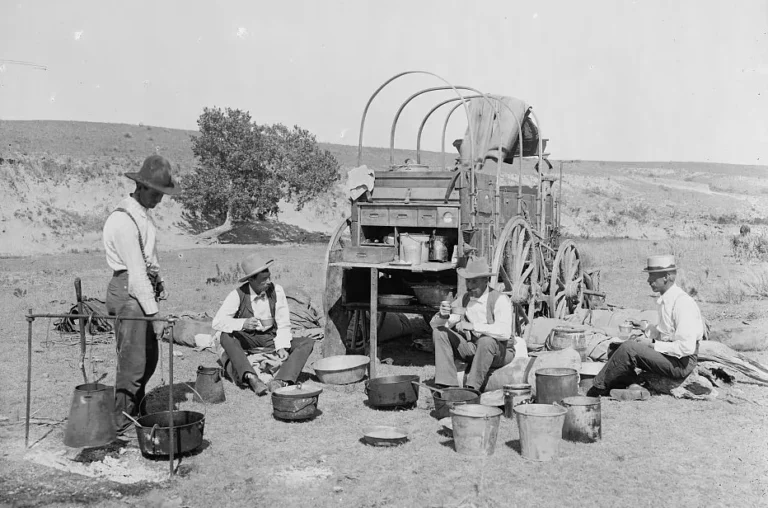
As you browse the pages of this website, you’ll notice historic photos and vintage-inspired artwork, evoking the past. This is not because we think things were perfect in the past, nor necessarily even better than they are now. (After all, human nature is the same in every age). But things were different. So, we look upon the past to learn from it—and to hold up a mirror to our own age.
Unfortunately, modern society has become maddeningly complicated. The amount of paperwork, bills, emails, and text messages that most people have to deal with is overwhelming. This is the price we have paid for modern convenience and prosperity. Compared to our forebears, we suffer fewer illnesses, enjoy more material comfort, live longer, and eat better. But we also bear a much greater mental load. Early Texans endured violence and injustices — often much worse than today — but they only knew of the wrongs they witnessed directly or read about occasionally. They didn’t imbibe a daily firehose of viral outrage on smartphones and computers.
“The renewal of civic life is not the work of government or leaders alone, but the shared work of all citizens — a task that begins with cultivating habits of responsibility, participation, and care for the common good.”
The frenetic pace of modern life has invaded our politics and political discourse. We go from one crisis to the next, from one outrage to the next. In an era of spectacle, outrage, and distraction, we risk losing sight of the habits that sustain a free people: Steady judgment and purpose, loyalty, and care for the common good. These hold the key to restoring a flourishing republic.
Today more than ever, Texas needs leaders who are able to slow down and think carefully about our values, our systems, our traditions, and our priorities. Beyond the controversies of today, what is our long-term vision for the ‘commonweal’?
A flourishing republic demands a government worthy of the age. We need a government that does not add to the maddening complexity of modern life, but rather reduces it. At the same time, we need a government that is sophisticated enough to grapple with modern problems and adapt to social and technological changes. Our civic ethos should blend simplicity and sophistication.
As you explore Texapedia, we invite you to reflect on what is already good in Texas’ civic life and governance — and what may be inadequate. If we can pause long enough to stop tearing each other down, we can start building again.
Disclaimers
Funding
Texapedia is a low-budget operation and does not receive outside funding from any political party, industry lobby group, or other stakeholder in politics or government. We do receive a small amount of revenue through limited advertising. All advertisements on the site are rendered by Google or Amazon. Sensitive content categories are excluded, in order to ensure that the site is safe for children, youth, and students.
Political Advertising
We allow political advertising on this website because of its potential relevance to our target audience. However, we have no control over these advertisements, which are rendered by Google, and we do not necessarily endorse or support the candidates or causes advertised.
Encyclopedic Information
This site is for informational and educational purposes only. Nothing on this site constitutes legal advice. This website is a work in progress and information on this site may be out-of-date. For example, it may not reflect the latest changes in statute, rule changes, or political developments. Although information on this website is believed to be generally accurate at time of publication, we do not make any warranty or guarantee to that effect. Users assume all risk of reliance on the information included on this site.